This list is optimized for re-use after a first read.
Use it when you remember the claim but not the exact chapter.
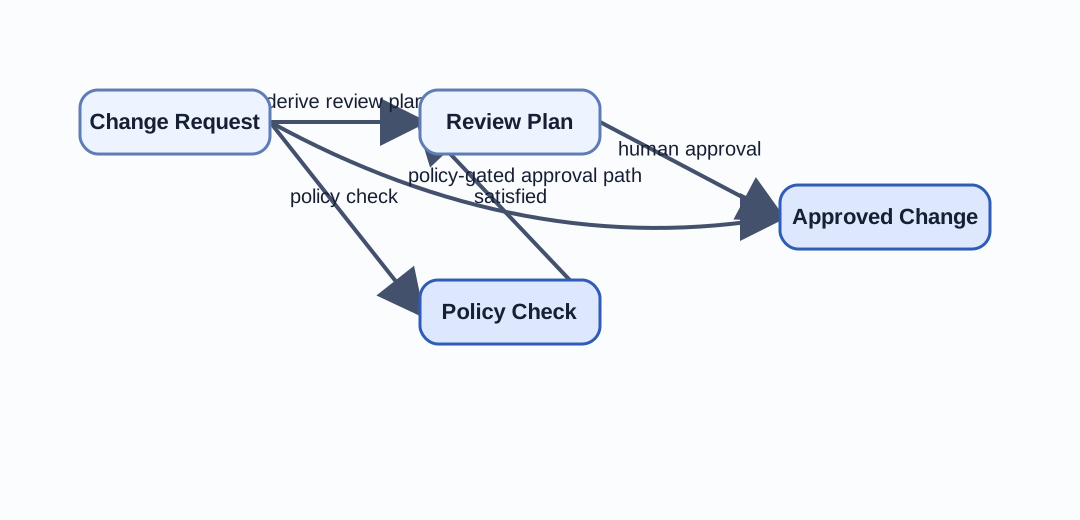
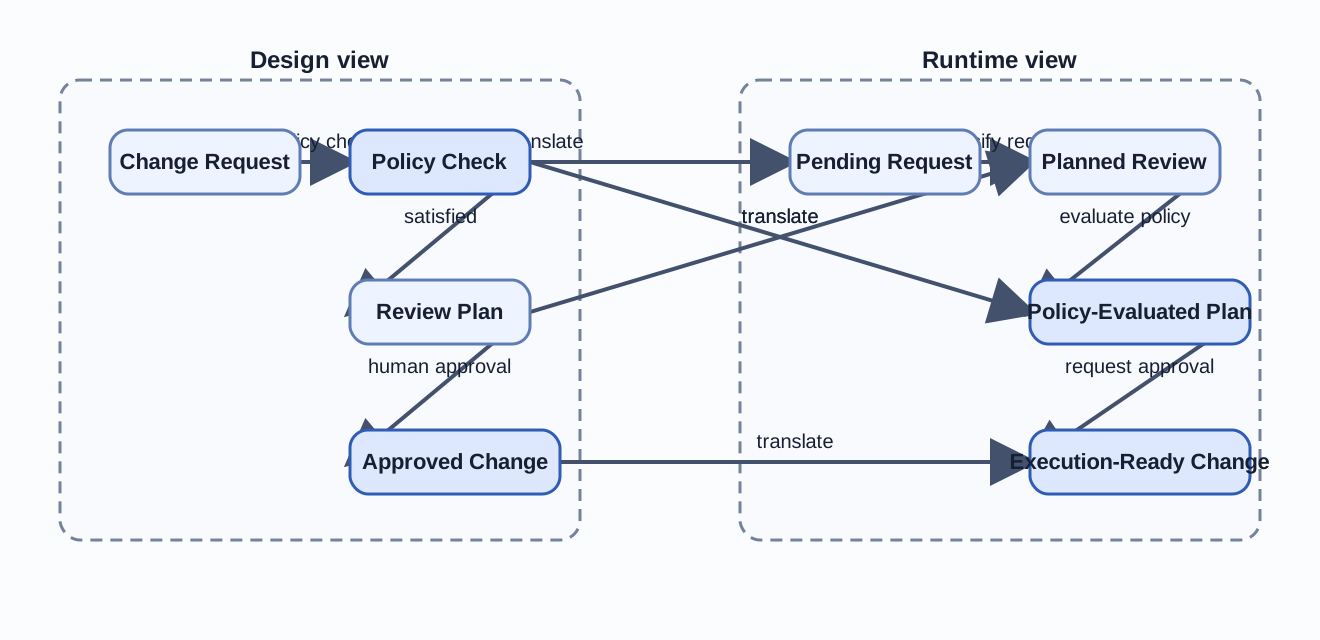
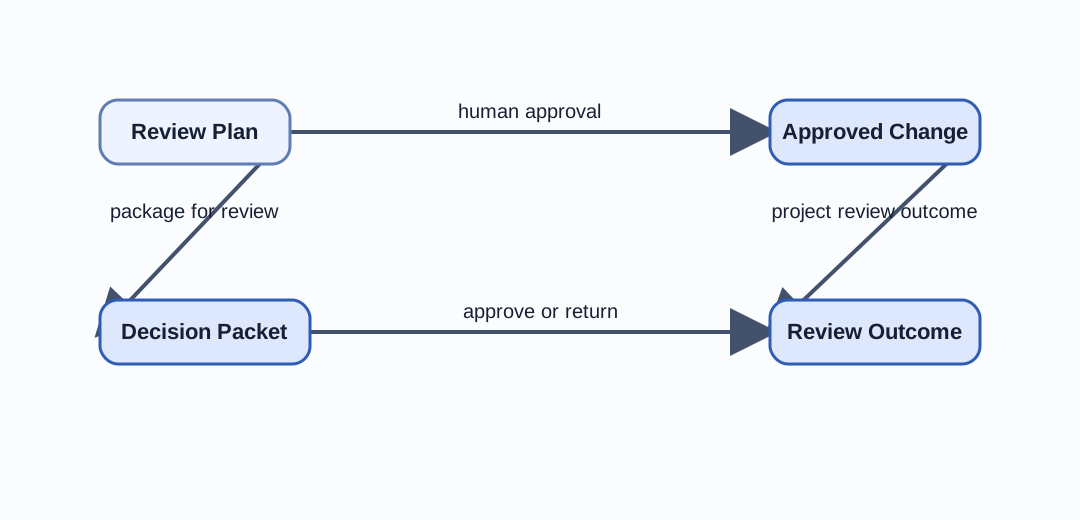
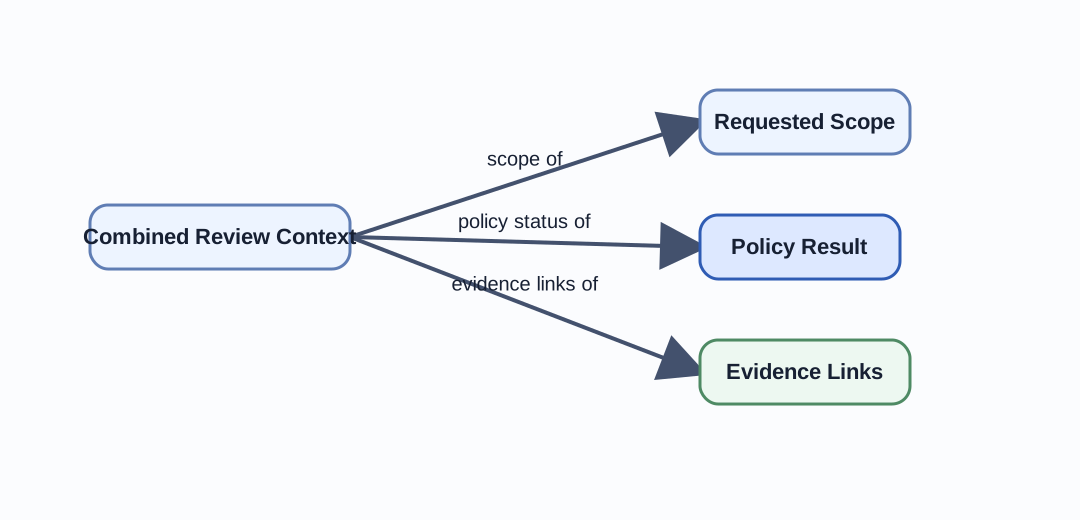
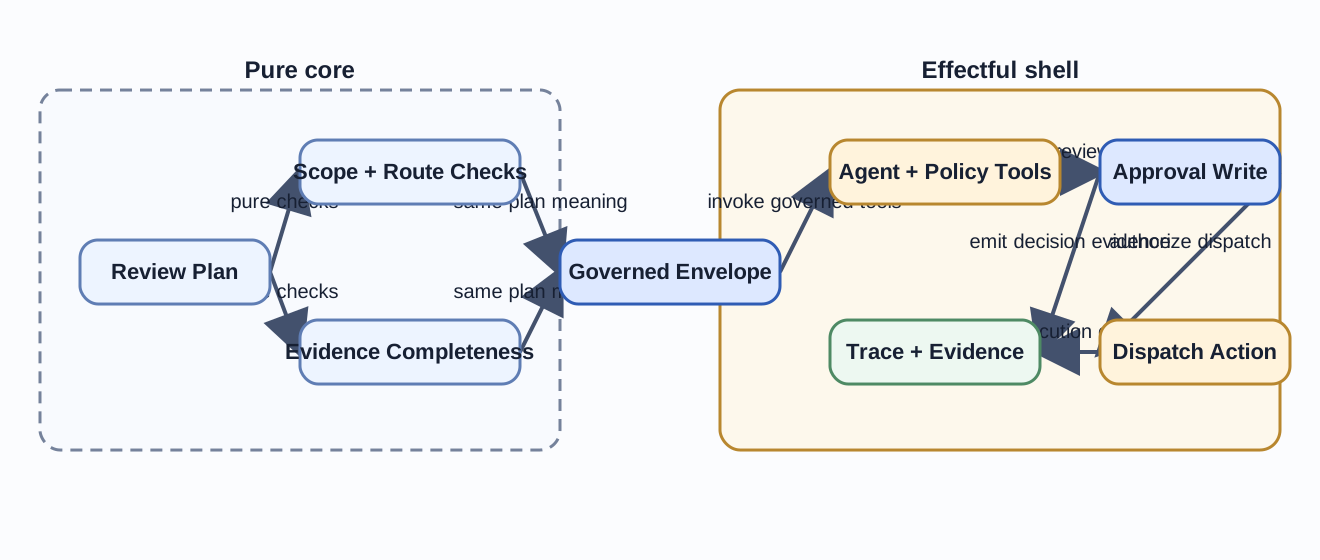
The Publication asset column names the publication-grade redraw used for each numbered figure.
Edition policy
- Web and ebook editions keep the same figure and table numbering as the canonical manuscript.
- Web and ebook readers should prefer
*-screen.svg.
- Print production should prefer the matching
*-print.svg or *-print.pdf.
- Rendered editions may omit asset filenames, but the claim text and figure numbering stay unchanged.
- The publication asset column is a retrieval aid for readers who want to reconnect a figure claim to its companion asset.
- Every numbered figure listed below now has a publication asset.
Tables and exhibits
| Table or exhibit |
Chapter |
Retrieval value |
| Table 0.1 |
Introduction |
Reading paths by immediate engineering need. |
| Table 1.1 |
Chapter 01 |
Canonical authority boundaries in the running example. |
| Table 2.1 |
Chapter 02 |
Minimal modeling map for the running example. |
| Table 3.1 |
Chapter 03 |
Minimal artifact map for the repository-level diagram. |
| Table 4.1 |
Chapter 04 |
Translation chain from specification to runtime. |
| Table 5.1 |
Chapter 05 |
Practical tests for a natural reviewer-facing change. |
| Table 6.1 |
Chapter 06 |
Required components of the combined review context. |
| Table 6.2 |
Chapter 06 |
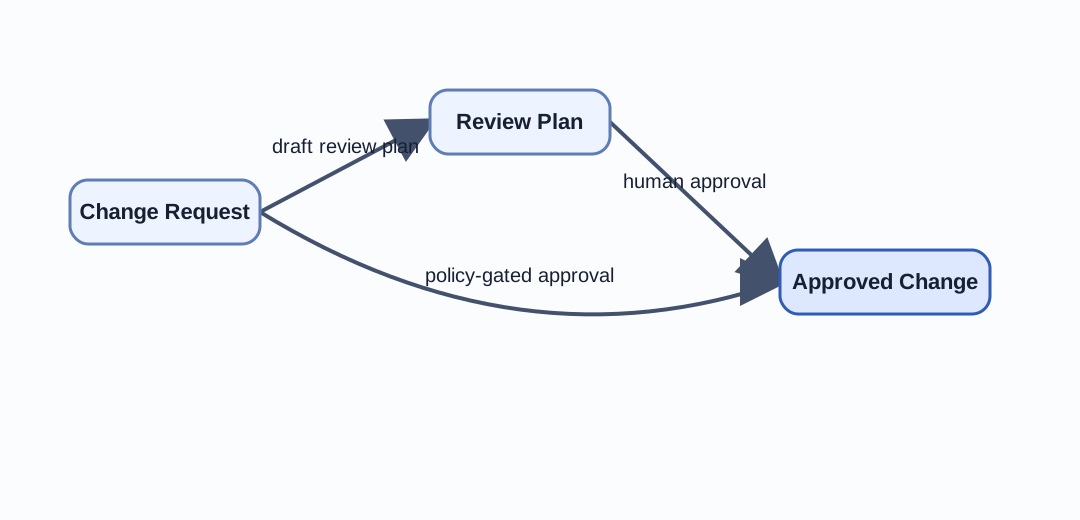
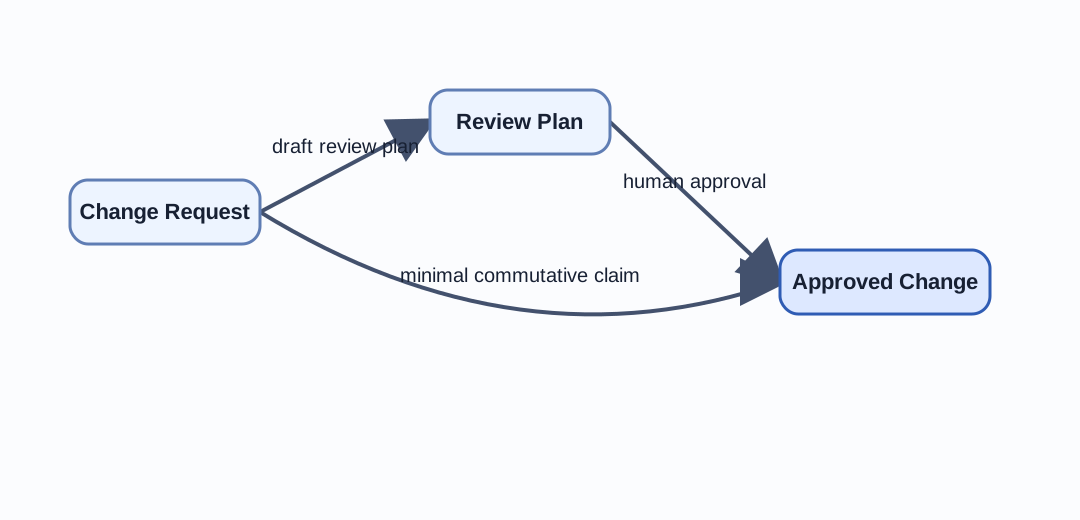
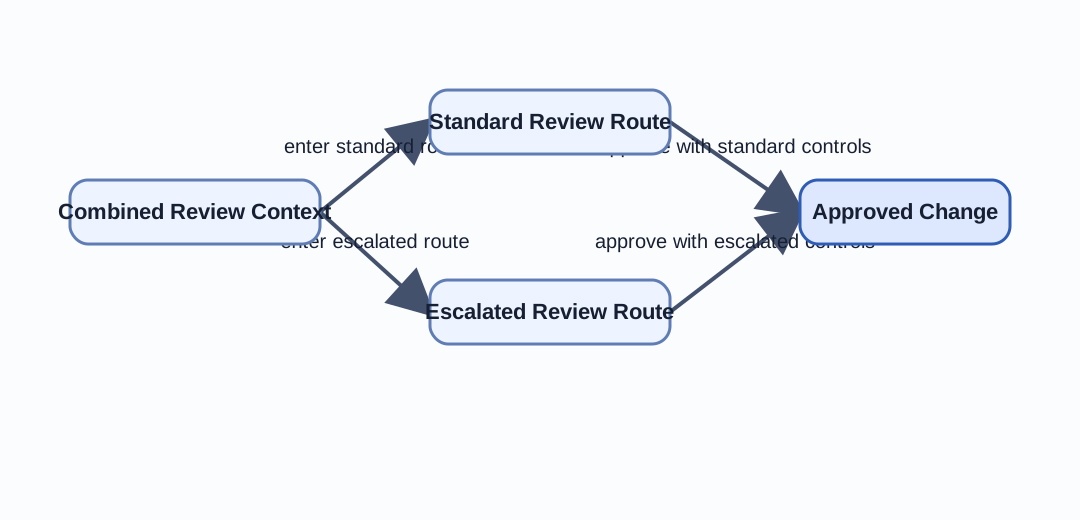
Canonical review-route variants. |
| Table 7.1 |
Chapter 07 |
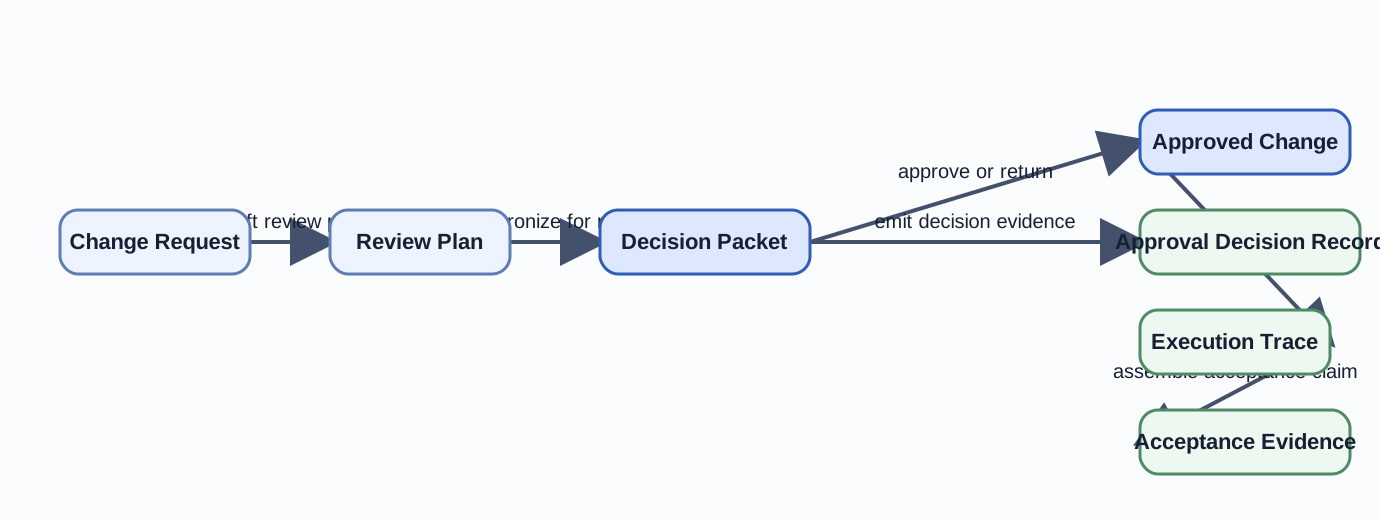
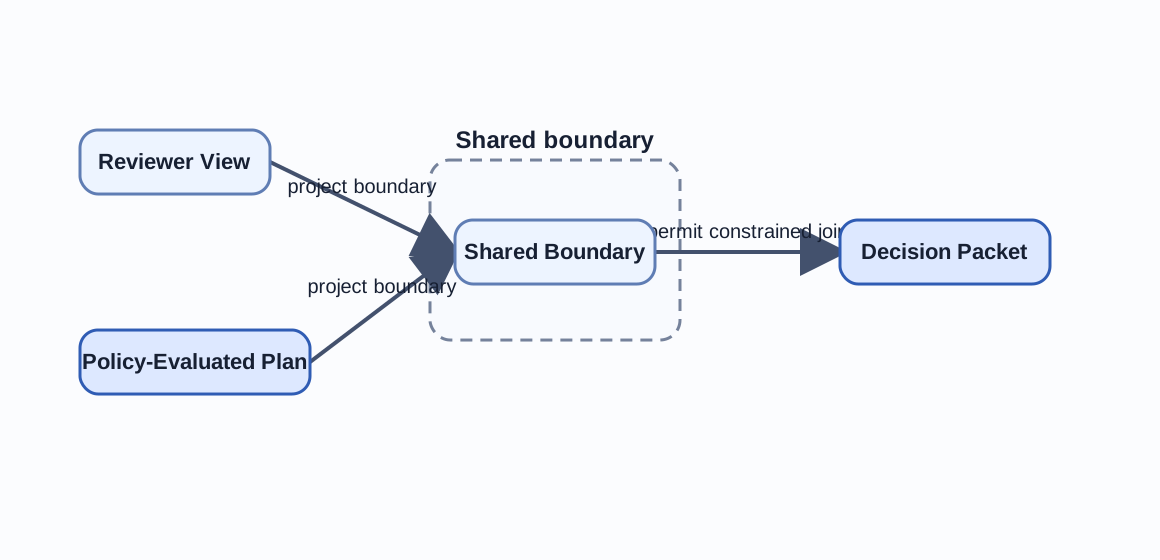
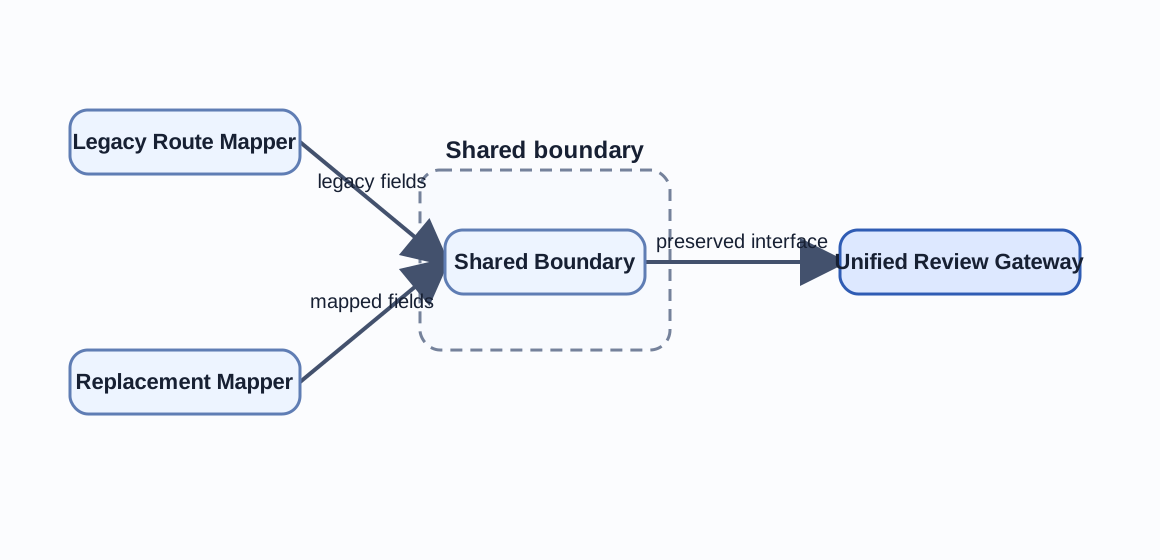
Canonical shared-boundary elements. |
| Table 8.1 |
Chapter 08 |
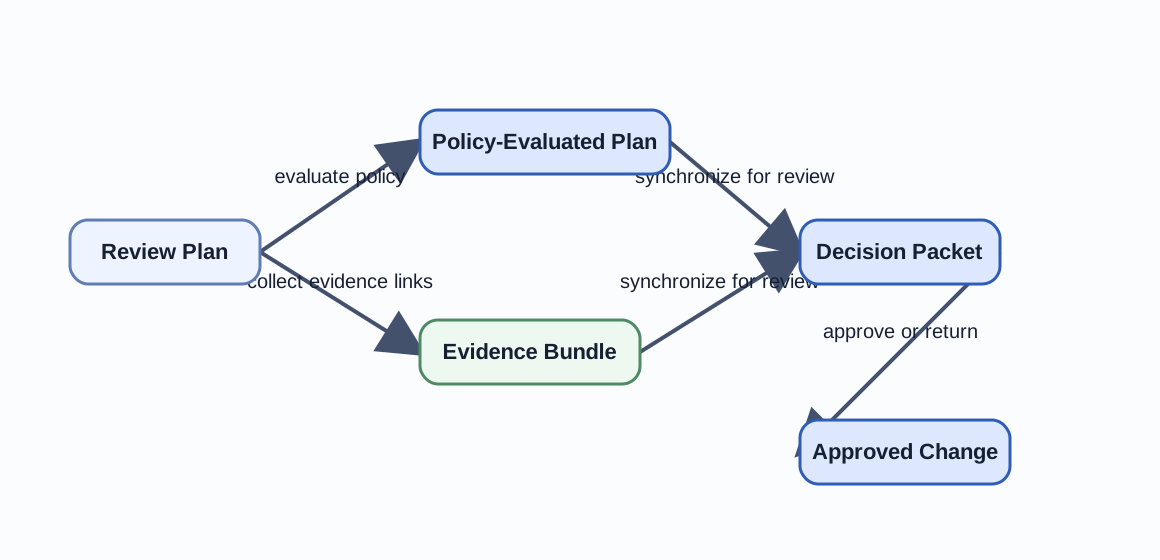
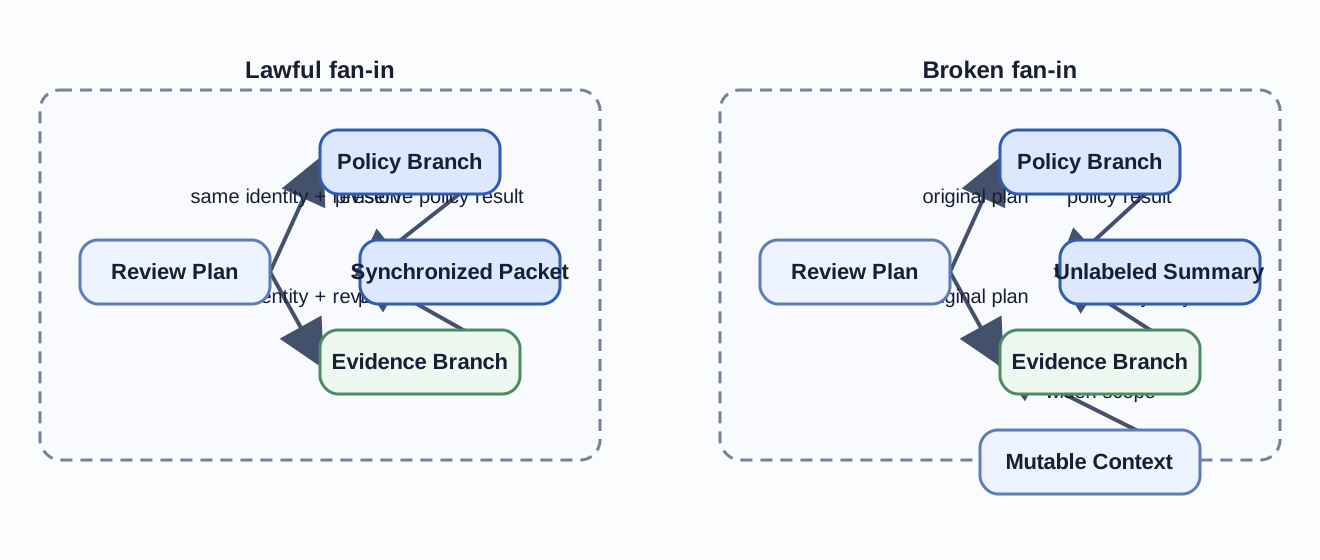
Branch responsibilities at the synchronization boundary. |
| Table 9.1 |
Chapter 09 |
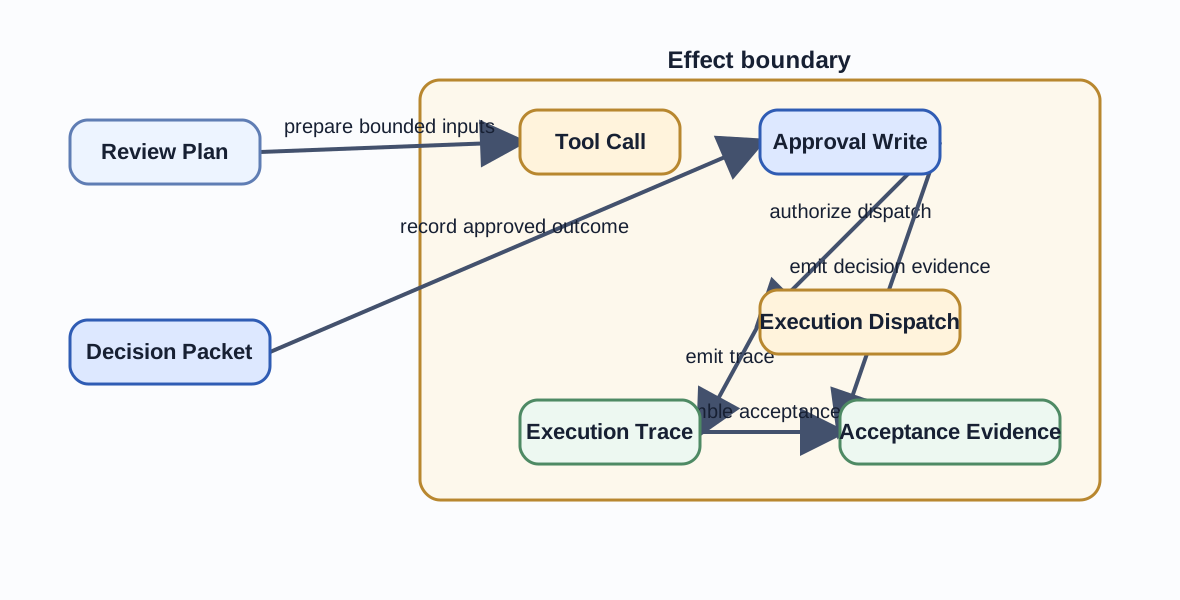
Dominant effect classes in the running example. |
| Table 10.1 |
Chapter 10 |
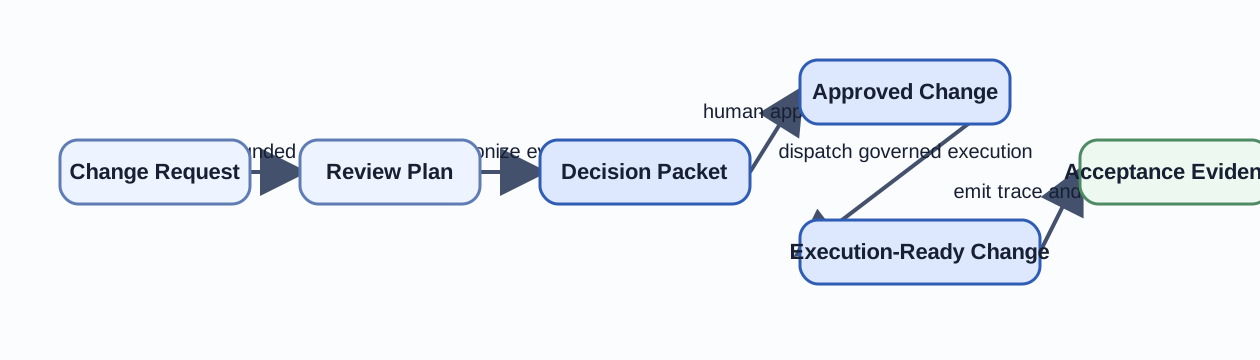
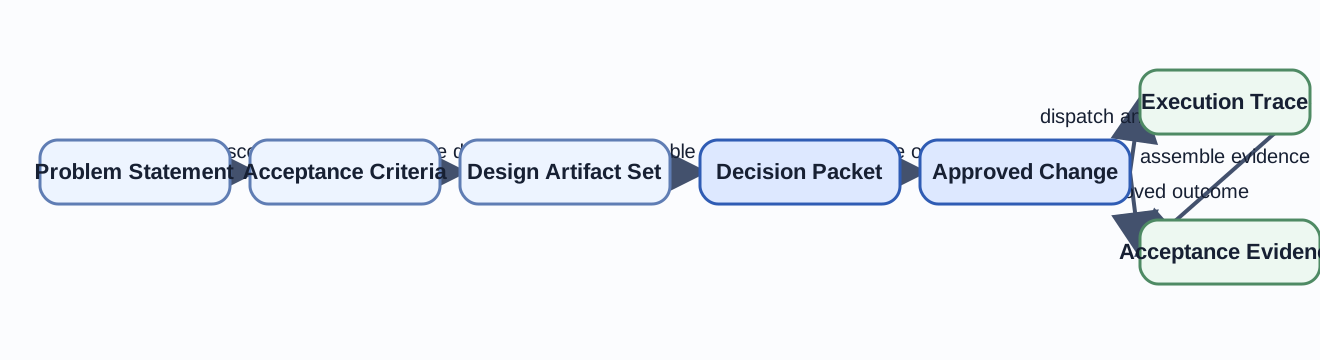
Artifact packet by delivery phase. |
Additional publication redraws
| Asset |
Related chapter use |
Why it exists |
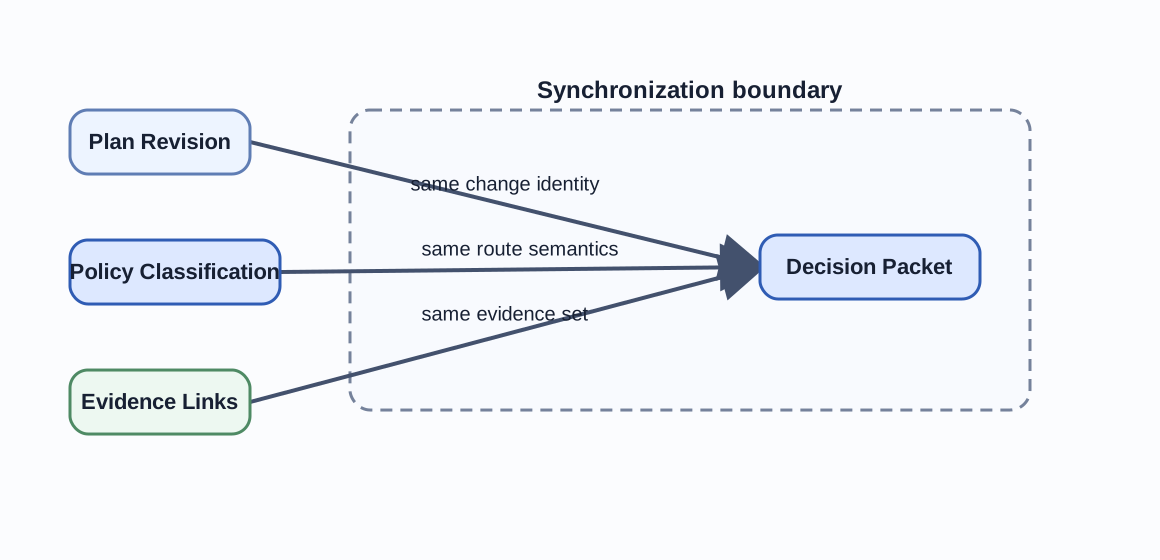
synchronization-boundary-screen.svg |
Chapter 08 |
It isolates the synchronization contract as a publication-grade redraw for ebook and print reuse even though the chapter’s numbered figure keeps the orchestration view as the primary exhibit. |
Transfer caselets and appendix exhibits
| Caselet or exhibit |
Primary location |
Retrieval value |
| Regulated change-management review caselet |
Chapter 07 |
Revisit the shared-boundary transfer mapping without leaving the main body argument about joins and migration. |
| Customer-support escalation workflow caselet |
Chapter 09 |
Revisit the effect-boundary transfer mapping where customer-visible state and emitted evidence must stay aligned. |
| Deployment approval pipeline caselet |
Chapter 10 |
Revisit the end-to-end delivery transfer mapping in the full case-study chapter. |
| Exhibit D.1 |
Appendix D |
Retrieve the compact transfer map for the deployment approval pipeline. |
| Exhibit D.2 |
Appendix D |
Retrieve the compact transfer map for the customer-support escalation workflow. |
| Exhibit D.3 |
Appendix D |
Retrieve the compact transfer map for the regulated change-management review. |